720 分信用分数算好吗?直截了当的答案
是的,720 分信用分数算好。它处于“好”分数范围(670-739)的上半段,高于全国平均分 714。你能申请大多数信用产品, 信用卡、汽车贷款、个人贷款和房贷, 不过拿不到最低利率或最丰厚的奖励。
现实情况是:贷款机构视你为可靠借款人,但不是顶级水平。美国约 21% 消费者的分数处于“好”范围,你处于不错的群体中。但如果你想获得更好条件和更多福利,就要努力冲刺“非常好”范围(740-799)。从 720 到 740 的差距看似不大,但贷款一生中可能帮你省下数千美元。
贷款机构对 720 分的真实看法
贷款机构将 720 分归为“可接受”信用。你不是高风险借款人, 720-739 范围借款人的违约率仅为 1.9%,而 660-679 分的违约率高达 4.6%。这差距巨大。
话虽如此,贷款机构了解你的信用历史。约 41% 的 720 分人群有过 30 天逾期记录。你可能信用卡余额较高,或信用历史较短。这些不会让你被拒,但意味着贷款机构不会提供他们的顶级产品。
换个角度想:申请信用卡,你肯定能批。但可能拿不到 5% 返现且无年费的卡。申请房贷,常规贷款绝对可行, 720 分常被视为“顶级”以简化审批, 但你的利率不会像 760 分那么有竞争力。
720 分能拿到什么实际产品
信用卡
你能接触到各种不错的卡。大多数发卡机构会轻松批准。代价是?你可能拿不到最吸引人的奖励计划或最高开户奖金。预期能批的是一般奖励卡(1.5-2% 返现),而非高端卡(特定类别 3-5%)。
汽车贷款
720 分能打开竞争性利率大门。2026 年,新车贷款 APR 预计在 5-7% 区间,视贷款机构和期限而定。这已很不错,不过 740+ 分借款人可能低整整一个百分点。以 2.5 万美元车贷、5 年期为例,6% 和 5% 的利息差约 1300 美元。
房贷
这里 720 分真正发光。常规房贷机构积极争取你这个分数段的借款人。你能轻松申请标准 30 年或 15 年房贷,无需额外麻烦。利率不会是最低,但很合理。请注意,房贷审批还高度依赖你的债务收入比和首付,你的信用分只是其中一环。
个人贷款和债务整合
银行和在线贷款机构乐于与 720 分合作。如果你有高息信用卡债,这是个明智选择。720 分典型的个人贷款 APR 为 8-12%,远低于多数信用卡利率。你能将多张卡整合成一笔还款,节省利息并改善利用率。
其他申请
房东和雇主常查信用分。720 分给你可信度, 显示你按时还账。保险公司可能给你更好费率(是的,有些用信用分定价)。你不会被直接拒,但也不会享 VIP 待遇。
为什么 720 分不是终点, 而是中转站
关键是:720 分不错,但不算顶级。从 720 到 740 看似小步,但贷款机构视之为过门槛。“非常好”范围(740-799)才是真正福利开始的地方。
实际差异?740 分借款人可能获房贷利率比你低 0.5%。30 万美元贷款,一年省约 1500 美元,30 年超 4.5 万美元。
同样,信用卡发卡机构把最佳奖励卡留给 740+ 分。旋转类别 5% 返现、旅行 3%、无年费的高端卡?这些锁在“非常好”门槛后。
如何从 720 提升到 740+(甚至更高)
好消息:从 720 到 740 完全可行。大多数人专注努力 3-6 个月就能做到。以下是攻略:
1. 降低信用利用率
这是最快杠杆。利用率(已用信用占可用信用的比例)占分数 30%。如果你利用率 50%,降到 30% 以下可提升 30-100 分。
怎么做:偿还余额或申请提高额度。如果你 1 万额度欠 5000 美元,利用率 50%。要么还到 3000 美元,要么申请升至 1.67 万额度降到 30% 以下。第二种只需打 5 分钟电话。
2. 绝不再逾期
还款历史占 35%。过去逾期已记录在案。但今后每笔准时还款都有帮助。所有账户设自动扣至少最低还款额。更好的是,自动全额还款。
3. 保留老账户
信用历史长度占 15%。10 年前开的信用卡?就算不用也别关。关掉会缩短平均账户年龄并减少可用信用,两者都伤分。
4. 间隔新信用申请
每次硬查询(贷款机构拉全信用报告)扣 5-10 分。新账户也暂伤分。若需新信用,2 周内申请所有产品(多查询算一次“比价”事件),然后至少 6 个月别再申请。
5. 多元化信用类型
既有循环信用(信用卡)又有分期信用(车贷、学贷、房贷)比单一类型好。这占 10%。若只有信用卡,小额个人贷款或成为分期账户授权用户有帮助。
用正确工具追踪进度
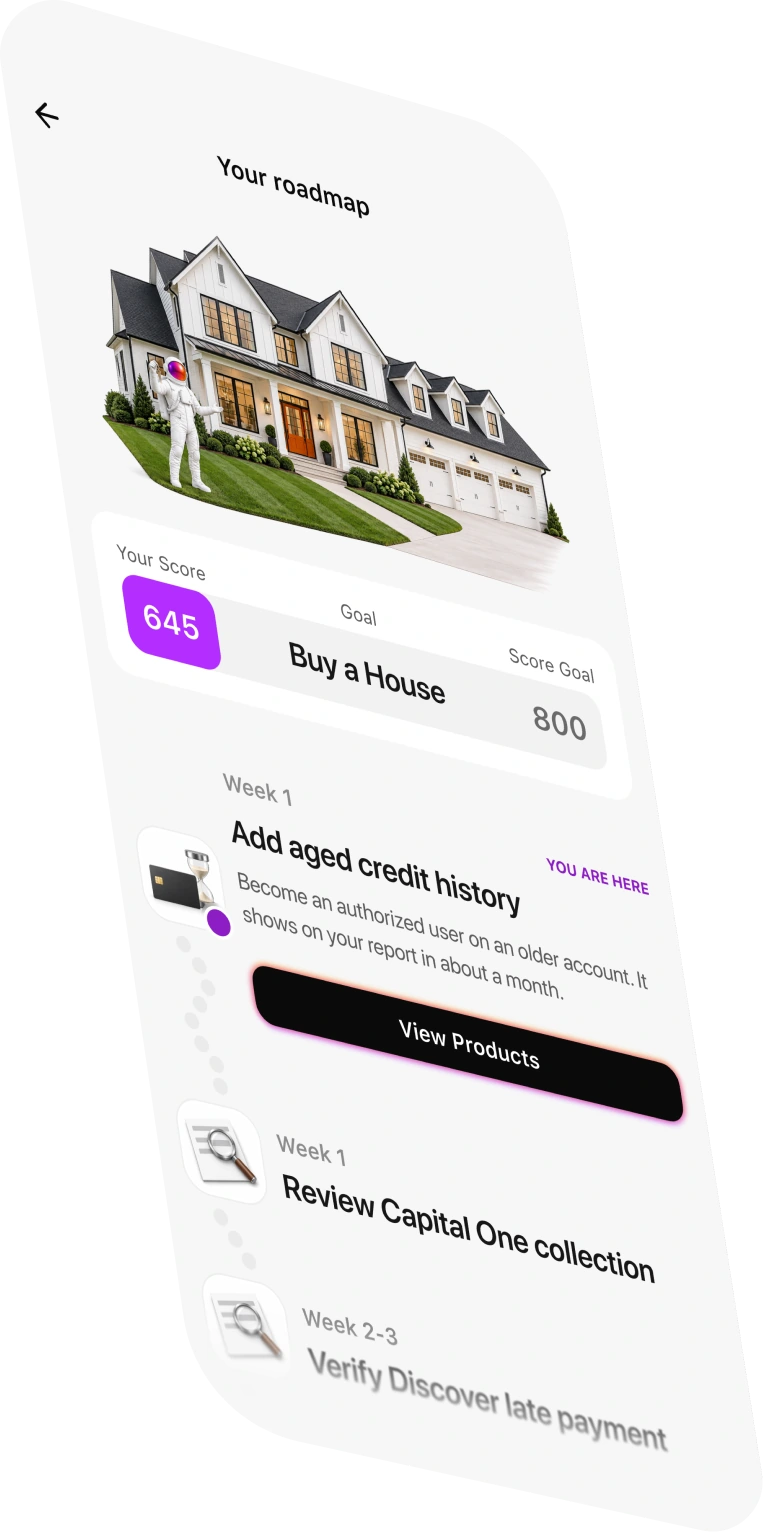
Credit Booster AI 能实时监控这些变化。App 分析你的信用报告,找出拖分最大因素,并显示每项行动提升多少分。你能看到偿还余额和准时还款的进步。
下载 Credit Booster AI, iOS 和 Android 免费。
关于 720 分的常见误区
误区 1:“720 分是优秀信用。”
错。优秀从 800+ 开始。非常好是 740-799。你在“好”范围,扎实但非精英。还有提升空间。
误区 2:“720 分能拿到最佳利率。”
远非如此。贷款机构把最低利率留给 760+ 分。你能获竞争性利率,但非最低。
误区 3:“我的分数在三大局相同。”
不对。Equifax、Experian 和 TransUnion 计算略有不同。你在 Experian 可能是 720,在 TransUnion 可能是 705。定期查三家。Credit Booster AI 拉三家数据给你全貌。
误区 4:“一次逾期影响不大。”
一次 60 天逾期可让 720 分掉 100+ 分,跌入“一般”范围(580-669)。伤害真实且持续多年。
误区 5:“一年内无法提升分数。”
只需降低利用率和准时还款,3 个月可升 20-50 分。Experian 数据显示,大多数人自律 6 个月内达 740。
信用评分近期变化(2025-2026)
2025-2026 年信用评分格局略变。FICO Score 10T(2026 年多数大机构采用的新模型)排除已付催收和某些医疗债,推动平均分上升。但核心分数范围不变,包括“好”范围 670-739。
全国平均 FICO 分现为 714,比两年前 703 略升。这反映疫情后信用恢复,不过 2025-2026 经济压力加大了对高利用率的审查。
值得注意的监管变化:CFPB 2026 年禁“垃圾费”规则间接利好你这样的借款人。贷款机构不能藏惊喜费用,你购物贷款和信用卡时会看到更透明定价。
总结
720 分信用分数不错。你能申请多数信用产品并获合理条件。但这不是终点, 而是通往“非常好”(740+)或“例外”(800+)的中转站。
前行路径简单:降低利用率、每笔准时还款、避新信用查询。大多数人 6 个月内达 740。这个小提升会解锁明显更好利率和更多高端信用产品。
想获针对你信用报告的详细路线图?下载 Credit Booster AI, iOS 和 Android 免费。App 分析报告,找出最大杀分因素,并显示每项行动提升多少分。无猜测。只有结果。
常见问题
720 分适合申请房贷吗?
是的,720 分通常被视为房贷审批的好分。常规贷款机构视其为“顶级”以简化审批,不过利率不会最低。房贷审批还取决于债务收入比、首付和就业史,你的信用分只是其中一因素。
从 720 升到 750,我的利率能改善多少?
平均而言,750 分比 720 分低 0.5-1% APR。2.5 万美元车贷,总利息省约 1250-2500 美元。30 万美元房贷,30 年可能超 4.5 万美元。
720 分能批信用卡吗?
是的,绝对能。大多数主流发卡机构会批。你能获扎实奖励卡(1.5-2% 返现),但更高奖励(3-5%)的高端卡通常留给 740+ 分。你不会被拒, 只是拿不到顶级卡。
从 720 到 740 要多久?
大多数人通过降低利用率和准时还款,3-6 个月达 740。利用率变化最快(1-2 个账单周期),偿还余额后 30-60 天内可能升 20-50 分。
720 FICO 分和 720 VantageScore 有什么区别?
FICO 和 VantageScore 算法不同。720 FICO 约等于 700-720 VantageScore(非 1:1 转换)。多数贷款机构用 FICO,优先关注它。查两者,但重点 FICO Score 8 或 9(最常见版本)。
一次逾期会毁掉我的 720 分吗?
是的,一次 60 天逾期可掉 100+ 分,可能跌入“一般”范围(580-669)。30 天逾期伤害较小(~50-80 分),但仍显著。这就是自动还款如此重要的原因, 一次漏掉可毁数月努力。
常见问题
Is 720 a good credit score for getting a mortgage?
Yes, 720 is generally considered good for mortgage approval. Conventional lenders view it as "top-tier" for streamlined approval, though your rate won't be the absolute lowest. Mortgage approval also depends on your debt-to-income ratio, down payment, and employment history, so your score is just one factor.
How much will my interest rate improve if I increase my score from 720 to 750?
On average, you can expect 0.5-1% lower APR with a 750 score compared to 720. On a $25,000 auto loan, that's roughly $1,250-$2,500 in total interest savings. On a $300,000 mortgage, it could be $45,000+ over 30 years.
Can I get approved for a credit card with a 720 score?
Yes, absolutely. Most major credit card issuers will approve you. You'll get solid rewards cards (1.5-2% cash back), but premium cards with higher rewards (3-5%) are typically reserved for 740+ scores. You won't get rejected, you just won't get the top-tier cards.
How long does it take to improve from 720 to 740?
Most people can reach 740 in 3-6 months by lowering credit utilization and making on-time payments. Utilization changes show up fastest (within 1-2 billing cycles), so if you pay down balances, you could see a 20-50 point boost within 30-60 days.
What's the difference between a 720 FICO score and a 720 VantageScore?
FICO and VantageScore use different algorithms. A 720 FICO is equivalent to roughly 700-720 VantageScore (not a direct 1:1 conversion). Most lenders use FICO, so focus on that. Check both, but prioritize FICO Score 8 or 9 (the most common versions).
Will one late payment destroy my 720 score?
Yes, a single 60-day late payment can drop your score by 100+ points, potentially moving you into the Fair range (580-669). A 30-day late is less severe (~50-80 point drop) but still significant. This is why autopay is so important, one missed payment can undo months of work.